


New Year, New Roof? Repair or Replace Your Roof in Norfolk & Suffolk

New Year, New Roof? A Fresh Start for Your Home
The start of a new year often brings a renewed focus on home improvements. After the darker months, many homeowners begin to notice things they may have overlooked before. A small leak that only appeared during heavy rain. A slipped tile spotted while putting the bins out. A draught upstairs that never quite goes away.
Your roof is easy to forget about until something goes wrong. Yet it is one of the most important parts of your home, protecting everything beneath it. As the year turns, it’s a good moment to ask yourself a simple question: is your roof still doing its job properly?
What Winter Weather Can Reveal
Norfolk and Suffolk roofs face a unique mix of challenges. Coastal winds, driving rain, and temperature changes all take their toll. Winter often exposes weaknesses that remain hidden during calmer months.
Common signs homeowners notice include:
Damp patches or water marks on ceilings
Drips or leaks during prolonged rain
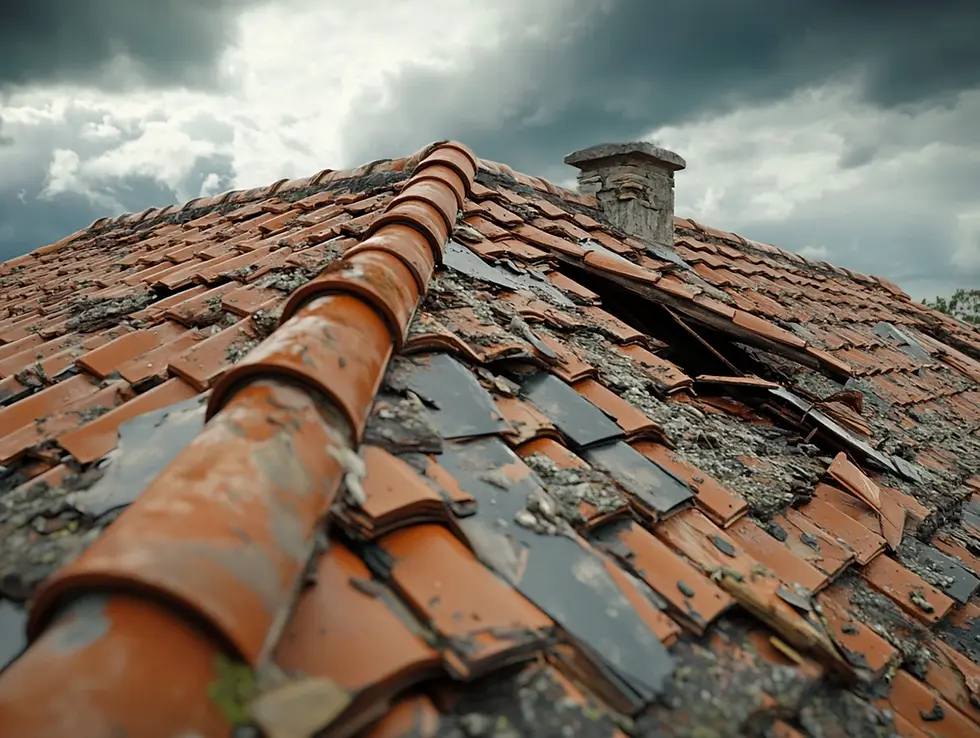
Loose, cracked, or missing tiles or slates
Sagging areas or uneven roof lines
Guttering that overflows or pulls away
Increased heating costs due to heat loss
Not all of these mean your roof needs replacing, but all of them deserve attention.
Repair or Replace: Understanding the Difference
One of the biggest worries homeowners have is whether they’re facing a simple repair or a full roof replacement. The good news is that many roofing issues can be resolved with timely, professional repairs.
When a Repair Is Often Enough
Repairs are usually suitable when:
Damage is limited to a small area
The roof structure remains sound
Materials are generally in good condition
The issue has been caught early
Replacing a few tiles, repairing flashing, or renewing sections of flat roofing can extend a roof’s life significantly.
When Replacement Makes Sense
A full replacement may be the better option if:
Repairs are becoming frequent
Large areas of the roof are deteriorating
The roof is approaching the end of its lifespan
Previous patch repairs have failed
In these cases, replacement often proves more cost-effective and reliable in the long term.
Different Roof Types, Different Warning Signs
Every roof is different, and the right solution depends on the materials used.
Tiled and Slate Roofs
Tiled and slate roofs are common across the region, particularly on older and character properties. Individual tiles or slates can be replaced, but widespread wear, nail fatigue, or underfelt failure may indicate the roof needs more extensive work.
Flat Roofs
Flat roofs demand specialist materials and correct installation. Pooling water, cracks, or bubbling membranes are clear signs that attention is needed. Modern flat roofing systems, when installed properly, offer excellent durability and performance.
Lead Work
Lead remains one of the most reliable roofing materials, but only when installed correctly. Cracked or poorly detailed lead flashing around chimneys and roof junctions is a common source of leaks and should never be ignored.
Why the New Year Is the Ideal Time to Act
There’s a reason many homeowners choose the start of the year to deal with roofing concerns. Problems discovered in winter can be planned for and addressed as weather conditions improve. Acting early helps prevent small defects from turning into costly damage later on.
It also offers peace of mind. Knowing your roof is secure means fewer worries when the next storm arrives.
Improving Comfort, Efficiency, and Appearance
Roof work isn’t just about preventing leaks. A well-maintained roof can improve your home in several ways:
Better insulation helps reduce heating bills
New fascias and guttering protect walls and foundations
Skylights and roof lights introduce natural light and brighten living spaces
A new roof can dramatically improve kerb appeal
These improvements can make your home more comfortable and enjoyable year-round.
The Value of Local, Qualified Expertise
Roofing is not an area where shortcuts pay off. Poor workmanship can lead to recurring problems and unnecessary expense. Choosing NVQ-qualified roofers with experience of local building styles and weather conditions is essential.
Advanced Roofing Specialists work across Norfolk and Suffolk on everything from small domestic repairs to major commercial projects. Their experience includes large-scale work such as the roof repair of the Arc Cinema (Royalty) in Great Yarmouth, alongside everyday residential roofing.
This breadth of experience helps ensure the right solution is chosen for each property.
What Homeowners Say
Trust is important when inviting tradespeople to work on your home. Many homeowners take reassurance from genuine customer experiences.
One customer described how a leaking flat roof threatened to delay a new kitchen installation. The problem was resolved quickly and professionally, even involving a Sunday visit, allowing the project to continue as planned. Experiences like this highlight the importance of reliability and responsiveness.
Planning Ahead Reduces Stress
If you’re unsure about your roof’s condition, a professional inspection is always a sensible first step. It allows issues to be identified early and gives you time to plan, rather than react to an emergency.
Whether the solution is a straightforward repair or a full replacement, clear advice helps you make informed decisions and avoid unpleasant surprises.
A Solid Start to the Year
A new roof might not top everyone’s list of New Year resolutions, but it’s one of the most practical investments you can make. Your roof protects your home, your belongings, and your peace of mind.
If concerns have been lingering, now is the perfect time to address them. A careful assessment today can prevent disruption and expense later in the year.
A new year is about looking forward. Making sure your roof is ready for whatever the weather brings is a strong, sensible place to start.
Frequently Asked Questions
1. How do I know if my roof needs repairing or replacing?
If you’re seeing leaks, slipped tiles, cracked slates, sagging areas, or damp patches indoors, your roof needs attention. In many cases, repairs are enough, but if problems are widespread or recurring, replacement may be the more sensible long-term option.
2. Can a leaking roof always be repaired?
Not always. Small, localised leaks can often be repaired effectively. However, if the leak is caused by ageing materials, failed underfelt, or multiple weak points, repeated repairs may not be cost-effective, and replacement should be considered.
3. How long should a roof last?
This depends on the materials and workmanship. Tiled and slate roofs can last many decades when properly installed and maintained. Flat roofs vary depending on the system used. Regular inspections and timely repairs help extend the lifespan of any roof.
4. Is winter the worst time to discover roof problems?
Winter weather often reveals issues that were already there. Heavy rain, wind, and temperature changes expose weak points. While major work is often planned for better weather, identifying problems in winter allows you to plan repairs or replacement early.
5. What are the warning signs of a failing flat roof?
Common signs include standing water, cracking, bubbling, splits in the surface, or soft areas underfoot. Any of these indicate the roof needs professional assessment sooner rather than later.
6. Do slipped or missing tiles mean I need a whole new roof?
Not necessarily. A few slipped or broken tiles can usually be replaced. However, if tiles are failing across large areas, it may indicate underlying issues that require more extensive work.
7. Why is lead work so important on a roof?
Lead flashing protects vulnerable areas such as chimneys, valleys, and roof junctions. When lead work fails or is poorly installed, water can enter the roof even if the tiles themselves are in good condition.
8. Can roof work improve energy efficiency?
Yes. A well-maintained roof helps keep heat inside your home. Re-roofing or repairing damaged areas can reduce draughts, prevent heat loss, and support better insulation performance.
9. Are skylights and roof lights suitable for older properties?
In many cases, yes. When installed correctly, modern skylights and roof lights can be added to both modern and older homes. Proper detailing is essential to ensure weatherproofing and preserve the character of the property.
10. How disruptive is roof replacement?
While any roofing work causes some disruption, experienced roofers plan projects carefully to minimise inconvenience. Clear communication about timescales and access helps ensure the process runs smoothly.
11. How often should a roof be inspected?
It’s a good idea to have your roof checked every few years, or after severe weather. Regular inspections can catch small issues early and help avoid costly emergency repairs.
12. Why choose a local, NVQ-qualified roofer?
Local roofers understand regional weather conditions and building styles. NVQ qualifications demonstrate recognised training and competence, helping ensure work is carried out safely and to a high standard.


Comments