


Why British Homes Feel Colder Than They Should | Advanced Roofing Specialists

Why homes feel cold UK Part 1
Why British Homes Feel Colder Than They Should – And What Your Roof Has to Do With It
If your home in Great Yarmouth, Norfolk, or Suffolk feels cold even when the heating is on, you’re certainly not alone. At Advanced Roofing Specialists, this is one of the most common concerns we hear from homeowners across the region.
Many people assume cold homes are simply part of living in Britain today. Rising energy costs, ageing boilers, and draughty windows often take the blame. However, in our experience, one of the biggest and most overlooked causes of cold homes is the roof. Why homes feel cold UK
Particularly in coastal areas like Great Yarmouth, where strong winds and salt-laden air are a fact of life, roofing issues can quietly allow heat to escape long before any visible leak appears.
This guide explains why so many British homes feel colder than they should, how your roof plays a central role, and what homeowners in Norfolk and Suffolk can do to improve warmth, comfort, and energy efficiency.
Why Cold Homes Are So Common in Norfolk and Suffolk
East Anglia presents a unique set of challenges for homeowners. Properties in Great Yarmouth and surrounding areas are often exposed to:
Strong coastal winds
Persistent driving rain
Salt air that accelerates material wear
Temperature changes that stress roofing materials
Many homes in the region were built long before modern insulation standards were introduced. While windows and heating systems are often upgraded, roofs are frequently left untouched unless there is a clear problem.
Yet, up to a quarter of a home’s heat can be lost through the roof.
At Advanced Roofing Specialists, we regularly inspect roofs that look perfectly sound from ground level but are allowing significant heat loss through hidden defects.
How Your Roof Helps Keep Your Home Warm
Your roof does far more than keep rain out. It forms part of a system designed to:
Retain warm air inside your home
Prevent cold air entering the roof space
Protect insulation from wind and moisture
Control condensation
When any part of this system fails, warmth escapes — and no amount of extra heating will fully compensate.
Common Roofing Issues That Cause Cold Homes
1. Inadequate or Degraded Loft Insulation
Many homes around Great Yarmouth still rely on insulation that is:
Too thin by modern standards
Uneven or poorly installed
Compressed or damp
Older insulation can also be disturbed by pests or affected by condensation, reducing its effectiveness.
Typical signs include cold ceilings, uneven room temperatures, and heating that seems to run constantly.
2. Wind Wash in Coastal Properties
Wind wash is particularly common in coastal Norfolk. It occurs when cold air is driven through gaps at the eaves or roof edges, passing over insulation and carrying heat away.
We see this frequently in:
Bungalows
Chalets
Older terraces
Homes close to the seafront or open land
Even well-insulated lofts can suffer if the roof structure allows wind to circulate freely.
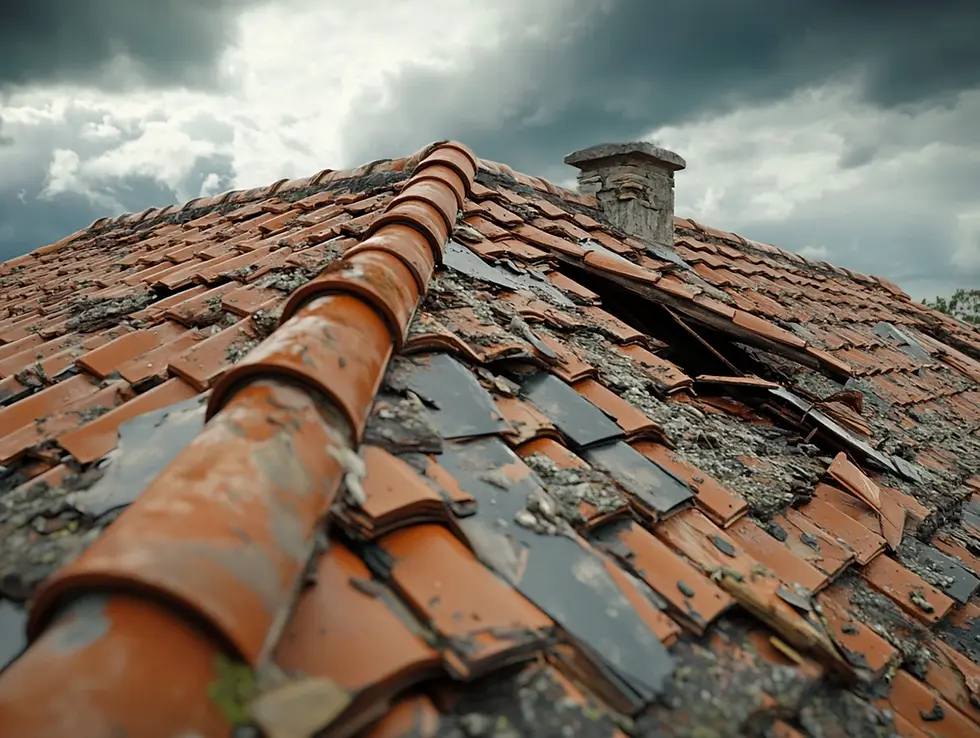
3. Cracked, Slipped, or Missing Roof Tiles
Strong winds in Great Yarmouth can loosen or crack tiles without homeowners noticing. Even small gaps can allow cold air into the roof space.
At Advanced Roofing Specialists, post-storm inspections often reveal damage that would otherwise go unnoticed until heating bills rise or damp develops.
4. Failing Roofing Felt or Membranes
Older roofs often rely on traditional felt that becomes brittle over time. When this layer fails, it allows cold air and moisture to penetrate.
This doesn’t always cause leaks straight away, but it can significantly reduce warmth and create a cold, uncomfortable indoor environment.
5. Damp or Poorly Ventilated Roof Spaces
Poor ventilation can lead to condensation forming in the roof space. When insulation becomes damp, it loses much of its thermal performance.
A roof may appear intact while quietly undermining the comfort of your entire home.
Why “It’s Not Leaking” Isn’t the Whole Story
One of the most common phrases we hear is: “It’s not leaking, so the roof must be fine.”
In reality:
Heat loss happens long before leaks
Small defects can cause big energy losses
Comfort problems often appear years before water ingress
A roof doesn’t need to leak to cost you money every month.
Older Homes in Great Yarmouth: What We Commonly See
Great Yarmouth has a wide range of older properties, including Victorian terraces and post-war housing. These often feature:
Shallow roof pitches
Minimal original insulation
Roofs that have been repaired but never fully upgraded
While these homes have plenty of character, they frequently need modern roofing improvements to meet today’s expectations for warmth and energy efficiency.
How Roof Issues Affect Energy Bills
When heat escapes through the roof, your heating system works harder to compensate. This leads to:
Higher gas or electricity bills
Rooms that never feel truly warm
Increased strain on boilers and radiators
Reduced comfort throughout the home
We often meet homeowners who have upgraded their heating systems without addressing the roof, only to find the problem remains.
Subtle Signs Your Roof May Be Causing Heat Loss
You don’t need to climb onto your roof to spot potential issues. Warning signs include:
Cold draughts upstairs
Persistent condensation
Mould near ceiling edges
Frost lingering on your roof longer than neighbouring homes
Sudden increases in heating costs
If several of these apply, a professional roof inspection is a sensible next step.
Coastal Weather and Roof Wear in Norfolk
Roofs in coastal areas like Great Yarmouth endure harsher conditions than many inland properties. Salt air, strong winds, and driving rain all accelerate wear and tear.
At Advanced Roofing Specialists, we understand how local weather affects roofing materials and which solutions perform best in coastal environments.
How Advanced Roofing Specialists Can Help
As an NVQ-qualified roofing company serving Norfolk and Suffolk, Advanced Roofing Specialists provide:
Professional roof inspections
Targeted repairs to reduce heat loss
Insulation and ventilation assessments
Advice tailored to coastal and older properties
Our approach focuses on identifying issues early, helping homeowners avoid unnecessary costs and improve comfort without jumping straight to full replacement.
When Should You Get Your Roof Checked?
We recommend a professional assessment if:
Your home feels colder than it should
Energy bills keep rising
Your roof is over 20 years old
You live in a coastal or exposed area
You’re planning home improvements or selling
Addressing roofing issues first ensures other upgrades deliver real benefits.
Final Thoughts: Warmer Homes Start at the Top
If your home feels cold despite adequate heating, the problem may not be your boiler or radiators. In many Norfolk and Suffolk homes, the roof is the real source of heat loss.
By understanding how your roof affects warmth and energy efficiency, you can make informed decisions that improve comfort and reduce running costs.
At Advanced Roofing Specialists, we believe that a warmer home often starts at the top — with a roof that works as it should.
Frequently Asked Questions (FAQs)
Why does my house feel cold even when the heating is on?
In many Norfolk and Suffolk homes, heat is lost through the roof rather than the heating system. Issues such as poor insulation, wind entering the roof space, or ageing roofing materials allow warm air to escape, meaning your heating works harder but your home still feels cold.
Can a roof cause heat loss even if there are no leaks?
Yes. At Advanced Roofing Specialists, we regularly inspect roofs that are completely watertight but still losing heat. Small gaps, damaged felt, missing tiles, or wind wash can all cause significant heat loss without any visible leaks.
Are coastal homes in Great Yarmouth more affected by roof heat loss?
Absolutely. Coastal properties around Great Yarmouth are exposed to stronger winds and salt air, which can loosen tiles, degrade roofing materials faster, and allow cold air into the roof space. These conditions make roof-related heat loss more common than in inland areas.
How much heat can be lost through the roof?
Up to 25% of a home’s heat can be lost through an uninsulated or poorly performing roof. This makes the roof one of the biggest contributors to cold homes and high energy bills.
Is loft insulation always the main problem?
Loft insulation is important, but it’s not the only factor. Even well-insulated lofts can lose heat if wind is blowing through the roof structure, insulation is damp, or roofing membranes have failed. A full roof assessment is often needed to identify the real cause.
What are the warning signs that my roof is causing heat loss?
Common signs include:
Cold draughts upstairs
Rooms that never feel warm
Condensation or mould near ceilings
Higher heating bills without increased usage
Frost staying longer on your roof than neighbouring houses
If you notice several of these, your roof may be the issue.
Will replacing my boiler fix a cold house?
Not always. Many homeowners upgrade their heating only to find the house still feels cold. If heat is escaping through the roof, even a new boiler will struggle. Addressing roof issues first often delivers better comfort and efficiency.
How old does a roof need to be before heat loss becomes a concern?
Roofs over 20 years old are more likely to suffer from degraded felt, loose fixings, or outdated insulation standards. However, even newer roofs can develop problems, especially after storms or in exposed coastal locations.
Can roof repairs improve warmth without a full roof replacement?
Yes. In many cases, targeted repairs, insulation improvements, or ventilation adjustments can significantly improve warmth and reduce heat loss without the need for a full replacement. Advanced Roofing Specialists always aim for the most cost-effective solution.
When should I have my roof checked?
You should consider a roof inspection if:
Your home feels colder than it should
Energy bills keep rising
You live in a coastal or exposed area
Your roof hasn’t been inspected in several years
You’re planning other home improvements or selling your property
Do Advanced Roofing Specialists cover Great Yarmouth and surrounding areas?
Yes. Advanced Roofing Specialists serve Great Yarmouth, Norfolk, and Suffolk, providing professional roof inspections, repairs, and advice tailored to local property types and coastal conditions.


Comments