


Cold Homes Damp Mould: How Roof Problems Connect Them All

If your home in Great Yarmouth, Norfolk, or Suffolk feels cold and you’ve started noticing damp patches or mould, these issues are rarely separate. In fact, they are usually connected — and very often, the connection leads back to the roof.
At Advanced Roofing Specialists, we regularly inspect properties where homeowners assume damp and mould are caused by lifestyle issues, poor heating habits, or internal condensation alone. While those factors can contribute, our experience shows that roof-related heat loss and moisture problems are one of the most common underlying causes, particularly in coastal areas.
This article explains how cold homes, damp, and mould are linked, why the problem is so common in East Anglia, and what homeowners can do to address the cause — not just the symptoms.
Why Damp and Mould Are So Common in Norfolk and Suffolk Homes
Damp and mould are widespread issues across East Anglia, and coastal towns like Great Yarmouth are especially affected.
Common local factors include:
Cool, humid coastal air
Strong winds driving moisture into buildings
Older housing stock with outdated roofing systems
Homes that are harder or more expensive to heat
When a home struggles to retain heat, moisture problems are far more likely to develop.
The Cold Home and Damp Cycle Explained
Cold homes and damp issues tend to feed into each other in a damaging cycle:
Heat escapes through the roof
Internal surfaces become colder
Warm air inside the home hits cold ceilings or walls
Condensation forms
Damp develops
Mould begins to grow
Unless the root cause is addressed, this cycle repeats year after year.
Why the Roof Is Often the Missing Link
Most homeowners focus on windows, walls, or dehumidifiers when tackling damp. However, the roof plays a critical role in controlling both temperature and moisture.
Your roof should:
Keep warm air inside the home
Prevent cold air entering the roof space
Allow controlled ventilation to remove moisture
Protect insulation from damp and wind
When any of these functions fail, damp and mould become far more likely.
Common Roof-Related Causes of Damp and Mould
1. Heat Loss Through the Roof
As discussed in our previous article, up to 25% of a home’s heat can be lost through the roof. When ceilings and roof spaces are cold, condensation forms much more easily.
In Great Yarmouth properties, this is often worsened by strong coastal winds stripping heat away from the roof structure.
2. Damp or Compressed Loft Insulation
Insulation only works properly when it is dry and evenly laid. Over time, insulation can become:
Damp due to condensation
Compressed and less effective
Disturbed by pests or previous work
Damp insulation not only loses its thermal performance but can also hold moisture, increasing humidity levels inside the home.
3. Failing Roofing Felt or Membranes
Older roofing felt can crack or tear, allowing cold air and moisture into the roof space. This doesn’t always cause visible leaks but can lead to:
Cold loft spaces
Increased condensation
Persistent damp smells
We frequently find this issue in older Norfolk and Suffolk homes that have never had a full roof upgrade.
4. Poor Roof Ventilation
Ventilation is essential, but it must be correctly balanced. Poorly designed or blocked ventilation can trap moisture in the roof space, leading to condensation that drips back onto insulation and ceilings.
This hidden moisture often shows up later as mould inside the home.
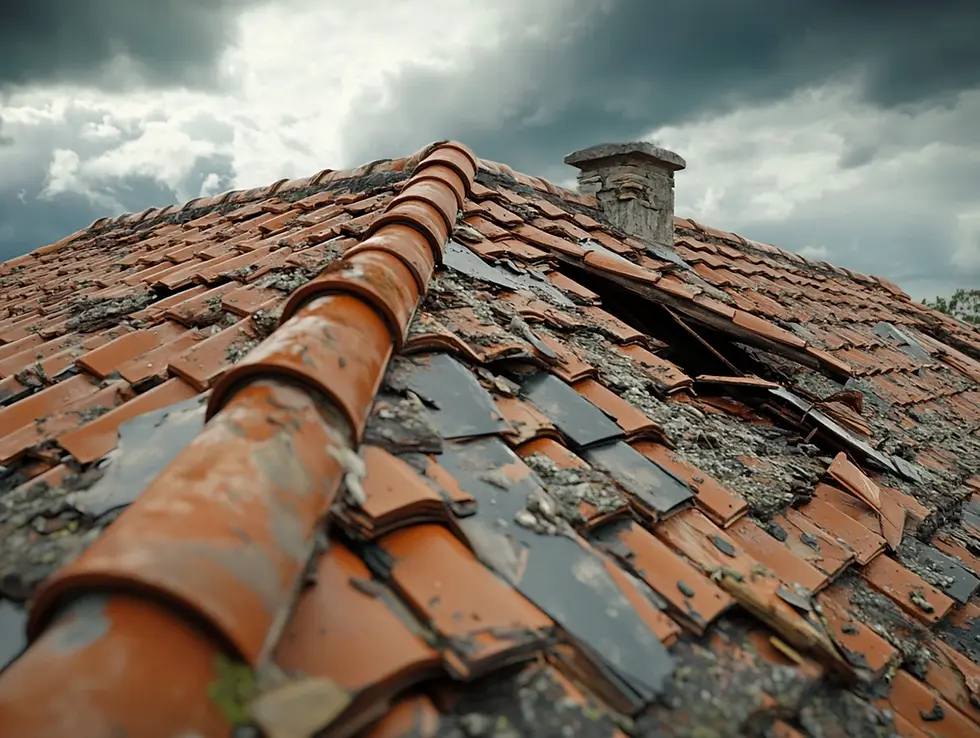
5. Minor Roof Defects After Storms
In coastal areas, even small defects matter. Cracked tiles, loose ridge fixings, or gaps at the eaves can allow cold, damp air into the roof space.
Over time, these minor issues contribute to colder homes and higher humidity levels indoors.
Why Mould Often Appears Upstairs First
Many homeowners notice mould forming:
Along ceiling edges
In upstairs bedrooms
On external-facing walls
Around loft hatches
This is no coincidence. These areas are closest to the roof and are usually the coldest surfaces in the home.
When warm, moisture-laden air rises and hits these cold surfaces, condensation forms — creating ideal conditions for mould growth.
The Health and Comfort Impact of Damp Homes
Living in a cold, damp home affects more than comfort. Prolonged exposure to damp and mould can contribute to:
Respiratory issues
Worsened asthma symptoms
Allergies
Persistent musty smells
Damage to décor and furnishings
This is why it’s so important to address the cause rather than repeatedly cleaning mould away.
Why Dehumidifiers and Anti-Mould Paint Are Not Long-Term Solutions
Dehumidifiers and specialist paints can help manage symptoms, but they do not solve the underlying problem if heat and moisture are still escaping through the roof.
Without improving the roof’s performance:
Condensation will keep forming
Damp will return
Mould will reappear
A structural approach is usually required.
Older Properties in Great Yarmouth: A Common Pattern
Many properties in Great Yarmouth were built at a time when insulation and moisture control were not priorities. We often see:
Minimal original insulation
Roofs patched over decades rather than upgraded
Ventilation that no longer meets modern needs
These homes can be warm and dry, but only when the roof is working as it should.
How Advanced Roofing Specialists Help Tackle Damp at the Source
At Advanced Roofing Specialists, our approach focuses on identifying and correcting the roofing issues that contribute to cold, damp homes.
This can include:
Roof inspections focused on heat loss and moisture
Identifying failed felt or membranes
Checking ventilation and airflow
Assessing insulation condition
Carrying out targeted repairs
Our aim is always to recommend the most effective and proportionate solution, not unnecessary work.
When Should You Seek Professional Advice?
You should consider a roof inspection if:
Your home feels cold and damp
Mould keeps returning after cleaning
Condensation forms regularly upstairs
Your roof is over 20 years old
You live in a coastal or exposed area
Early action can prevent more serious structural and health issues.
Final Thoughts: Damp Is Often a Roofing Problem in Disguise
Cold homes, damp walls, and mould growth are rarely isolated problems. In many Norfolk and Suffolk properties, they are symptoms of a roof that is no longer performing as it should.
By addressing heat loss and moisture at roof level, homeowners can often achieve warmer, drier, healthier homes — without relying on constant heating or temporary fixes.
If your home in Great Yarmouth feels cold and shows signs of damp, it may be time to look up rather than just around.
Frequently Asked Questions (FAQs)
Can a cold roof really cause mould inside my home?
Yes. Cold roof spaces lead to cold ceilings and walls. When warm air inside the home hits these cold surfaces, condensation forms, creating ideal conditions for mould growth.
Why does mould keep coming back even after cleaning?
Cleaning removes visible mould but doesn’t address the cause. If heat loss and condensation continue, mould will return. Roofing and insulation issues are often the root problem.
Are coastal homes more at risk of damp and mould?
Yes. Coastal areas like Great Yarmouth experience higher wind exposure and humidity, which increases the risk of heat loss and moisture entering the roof space.
Is mould always caused by lifestyle issues like drying clothes indoors?
Lifestyle factors can contribute, but they are rarely the sole cause. In many cases, poor roof performance makes homes more vulnerable to condensation and damp.
Can roof repairs really reduce damp?
In many cases, yes. Improving roof integrity, insulation, and ventilation can significantly reduce condensation and damp, improving overall indoor air quality.
Should I replace my roof if I have mould problems?
Not necessarily. Many issues can be resolved with targeted repairs or upgrades. A professional inspection helps determine the most appropriate solution.
Do Advanced Roofing Specialists cover damp-related roof issues?
Yes. Advanced Roofing Specialists work across Great Yarmouth, Norfolk, and Suffolk, helping homeowners identify roofing issues that contribute to cold, damp, and mould problems.


Comments